
Ponds
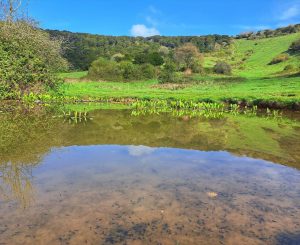
Ponds are usually small bodies of water which have been created by people, though some have formed naturally.
Found in a range of countryside landscapes from heathland and farmland, to woodland and grassland, these areas of water are vital for wildlife
Why are ponds important?
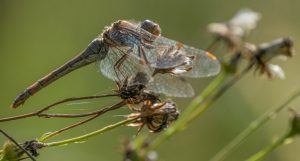
Giving shelter, places to nest and breed, water for drinking and bathing, food sources and much more, ponds also offer a place of calm and a chance to get closer to nature for people.
Ponds can help us tackle many of the big environmental issues that affect us all: climate change, flooding and pollution. All this, as well as being fantastic for biodiversity.
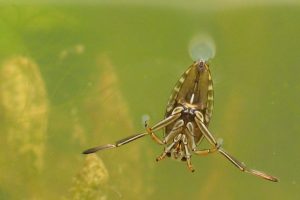
Ponds support an extraordinary two-thirds of all freshwater species, and creating clean new ponds is one of the simplest and most effective ways to protect freshwater wildlife.
Enter the mysterious underwater world of a dew pond with this soundscape experience.
Helpful resources:
- To find out more about the importance of ponds as well as to access advice and resources about how you can help protect and create freshwater habitats for wildlife visit the Freshwater Habitats Trust website – Advice and Resources – Freshwater Habitats Trust.
- You can apply for funding to create or restore a wildlife pond for biodiversity through the South Downs National Park Trust’s ‘Pounds for Ponds’ Fund. Pounds for Ponds is an initiative seeking to invest around £1m to create and restore 100 ponds across Hampshire and Sussex over the next decade.
- You can learn how to make your own wildlife pond here.
- Discover the history and importance of dew ponds in the National Park.