
Take The Lead with dogs in the South Downs and help nature thrive!
An Adonis blue butterfly hosting a podcast with a talking trout is part of a new thought-provoking campaign to raise awareness about the impact of dogs on ponds and rivers.
The Take the Lead campaign has now been running for well over a decade in the South Downs National Park, encouraging responsible dog walking in the countryside by doing simple things such as keeping dogs on leads around livestock and picking up dog poo.
A new strand of the initiative is around helping nature thrive in ponds and rivers.
Funded by The National Lottery Heritage Fund, a series of fun and tongue-in-cheek wildlife animations have been produced, sharing the viewpoints of various creatures about the impact of dogs on their water habitats.
The campaign is part of the “Downs to The Sea” project, which is aiming to help biodiversity bounce back by creating a network of restored ponds and wetlands across the region, as well as engaging with schools and wider communities to help people reconnect with, and understand the importance of water.
It comes as there are now around 13 million pet dogs in the UK, increasing the number of dogs out and about exploring the countryside.
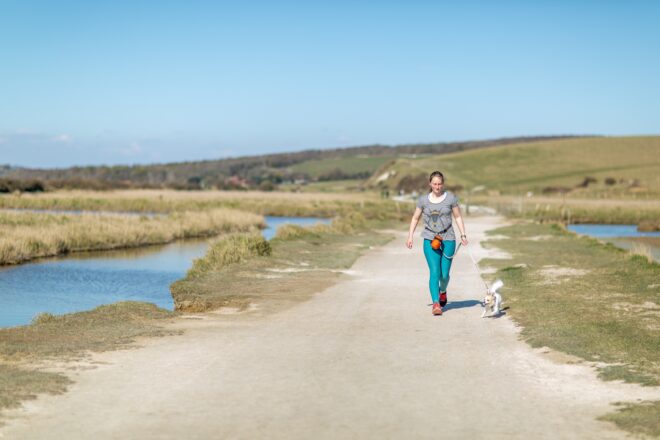
Evidence has shown that dogs can cause severe disruption and damage to wildlife in ponds and rivers. The impact can be in several ways:
- Flea and Tick Treatment – Research has shown that spot-on flea treatments which contain insecticides are posing significant risks to wildlife who live and feed in our rivers or ponds. Fipronil and imidacloprid are powerful pesticides that are banned from agricultural use due to their harmful environmental effects but are still commonly used in pet products. The chemicals can enter watercourses via several avenues, including dogs entering a pond for a swim, for example. Research suggests one dose of flea treatment with Imidaclopid for a medium-sized dog contains enough pesticide to kill up to 60 million bees.
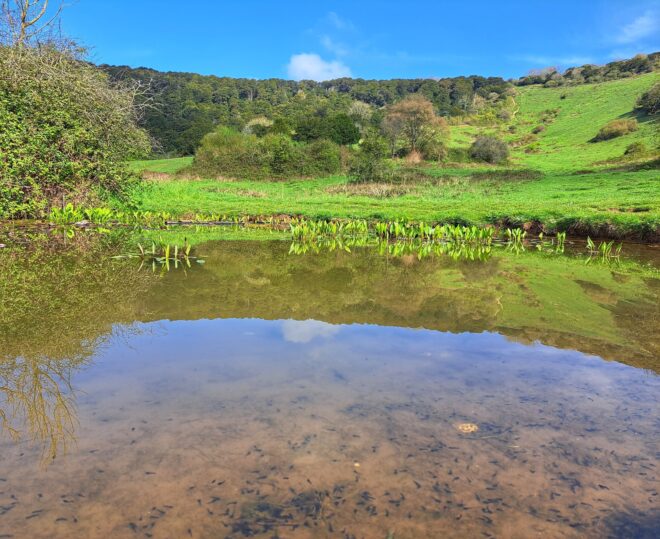
- Sediment disturbance – When dogs enter a pond or river, they stir up sediment which causes the water to turn murky. Sediment can then settle on plants, stopping light penetrating through to aquatic vegetation and stunting their growth. Insect larvae such as dragonfly or mayfly live in the river bed and can be killed by dogs trampling into the waterway. This has a knock-on effect on wildlife, such as birds and bats, which rely on these invertebrates as food. The dog disturbance can also disrupt spawning amphibians such as tadpoles and newts.
- Bank erosion – Dogs can cause erosion on river and pond banks when they push their way through vegetation to enter the water. This can destroy precious native flora and fauna, as well as disrupt nests such as those of the kingfisher or water voles. Dogs can also end up inadvertently spreading invasive species such as Himalayan Balsam as they may carry the seeds further afield on their fur.
To help wildlife thrive we are updating our Take the Lead campaign to include a key message around these water habitats. People can help care for the National Park by following these simple steps to be a responsible dog owner while out and about in the countryside:
- Rivers and ponds are wildlife havens – help protect them by keeping your dog away from the water and on the path.
- Keep dogs on a lead near grazing animals and wildlife.
- Bag and bin your poo, any public bin will do.
- Protect ground nesting birds – stick to the paths, especially between 1 March and 15 September.
- Do not enter military training areas when the red flags are flying
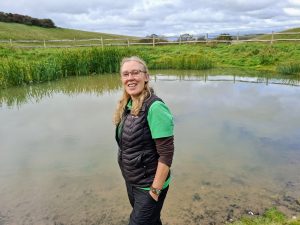 Jan Knowlson, Biodiversity Officer for the National Park, said: “The South Downs National Park is a great place for dog-walking and we want people and their pets to continue to enjoy it.
“The National Park is a haven for wildlife and we’re working hard to give a helping hand to nature, which is really struggling across the UK, mainly due to loss of habitat over many decades.
“So this initiative is all about raising awareness about the impacts of dogs on watercourses and how dog walkers can play their part in nature recovery. Clean, healthy waterways are absolutely vital for both people and nature and we can all work together to help restore these precious wetlands.”
And Jan added: “This isn’t about enforcement because the National Park Authority has no enforcement powers around dog walking. Our focus is on engagement and education with the many dog walkers who love coming here.
“Ultimately we all want our beautiful countryside to be buzzing with nature and everyone can play their part, however big or small, in helping to achieve this goal.”
Aimee Felus, CEO of the Western Sussex Rivers Trust, one of the partners in the Downs to the Sea project, said: “There’s a growing amount of evidence of the harm caused to rivers from flea spot-on treatments. These powerful insecticides kill river invertebrates which are such an important part of a river’s ecology, as well as being the basis of the food chain which supports many of our wonderful iconic river species such as trout, kingfishers and otters. All of us dog owners can help by speaking to our vet about alternative treatments and keeping our dogs on a lead near ponds and rivers.”
To watch the animations and for more information on Take the Lead, as well as frequently asked questions about dogs and water, visit https://www.southdowns.gov.uk/take-the-lead/
The Western Sussex Rivers Trust has also produced a useful leaflet for dog owners.
The Downs to the Sea project launched last year with a bumper action plan to restore and create a network of “blue spaces” in the landscape. Funded through a £1.7m grant from The National Lottery Heritage Fund, major restoration work has been completed at RSPB Pulborough Brooks and Pagham Habour, while 15 ponds are being restored across Sussex and Hampshire to create biodiversity hotspots. Find out more here: www.southdowns.gov.uk/downs-to-the-sea/
- The Government is working to reduce the environmental impact of pet flea and tick treatments on UK waterways. It recently launched a call for evidence as it seeks views. Find out more here.