
Nocturnal Mammals
Deer
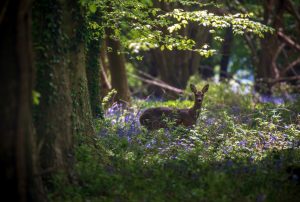
Deer are most often active at dawn and dusk and they are an essential part of the ecosystem across the South Downs National Park. They feed on scrub and young trees, maintaing open areas of the landscape. However, their natural predators (wolves, lynx and bears) are all extinct and so their populations can grow rapidly if not properly managed, putting precious woodland habitat at risk.
There are three species of deer found in the National Park:
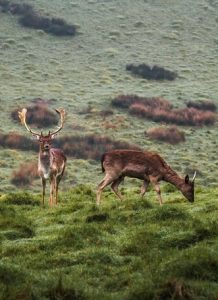
Fallow – this medium-sized deer can come in a mix of colours. You might be familiar with the spotty variety but you’re more likely to see the dark (melanisitc) type in the South Downs. Despite their numbers, fallow deer are not native to Britain.
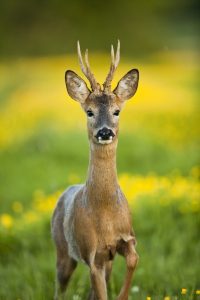
Roe – smaller than fallow, roe deer are grey in winter and russet red during summer. You may spot them along field margins in groups of two or three, always keeping close to patches of forest in case they need to retreat.

Muntjac – a very small, solitary deer often mistaken for wild boar! They are native to Asia but escaped from a private estate in the 19th century and are now found across most of England.
Badger
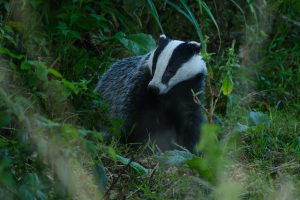
A very secretive mammal, badgers are notoriously tricky to see; very few people have been lucky enough to see one in their natural habitat. They are certainly very distinctive in appearance, with their black and white striped face but they wait until cover of darkness before venturing out of their underground woodland homes or ‘setts’.
These setts are made up of a network of tunnels and chambers that are often occupied across generations of badger families. When night falls, badgers begin foraging through the undergrowth in search of earthworms, slugs and other invertebrates.
Red Fox
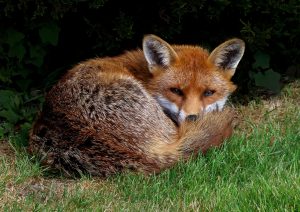
The fox has gained a reputation in the UK for being adaptable and clever. They have found ways to thrive in urban spaces as well as rural, altering their diets and habits to suit their environments. In the National Park, they prey on small rodents, invertebrates and fruit such as blackberries.
Often, looking out for tracks and signs left by wildlife is the best way to know what animals might be nearby. Unpleasant as it sounds, fox poo is very distinctive! Usually containing a mixture of bones and fur with some berry seeds, their droppings are characterised by a tapering twist at the end.
Hedgehog
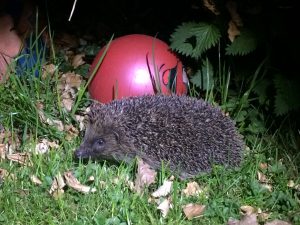
If you’re a keen gardener, this mammal will be your best friend! Hedgehogs are omnivorous so they will happily feast on the plant-nibbling inverterbates in flower beds, including slugs and snails. Stay very quiet and still in your garden and you might hear one snuffling around your garden after dark, but if you come across one in the day time, it’s a good idea to take it to a vet or wildlife rescue as it might be unwell.
You can give hedgehogs a helping hand by putting out a dish of water and providing a safe space for them to hibernate during winter, such as a pile of leaves or logs. Visit Hedgehog Street for more tips to help our hogs!