
Bats
There 18 different species of bats in the UK and they have all been recorded in the South Downs National Park. Two greater mouse-eared bats, a very rare species thought to be extinct since 1992, were discovered hibernating in Sussex in recent years.
Through a combination of superpowers including echolocation and excellent night-vision, bats are experts at navigating the darkness. This way, they can avoid most predators (mainly larger birds) and help themselves to a bug buffet!
Meet the bats:
Common Pipistrelle
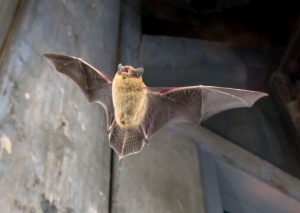
A very small bat, only weighing around 5g (roughly the same as a 20p piece), this is the species you are most likely to see around your garden. In a single night, they eat thousands of insects; we have them to thank for keeping the mosquitoes and midges at bay!
Daubenton’s
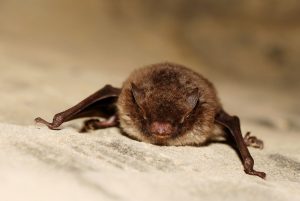
An expert at hunting over water, Daubenton’s bats fly very close to the surface of ponds, lakes and rivers to catch insects with their tail or feet. They usually roost in trees near a water source in groups of between 20 and 50 individual bats.
Brown long-eared
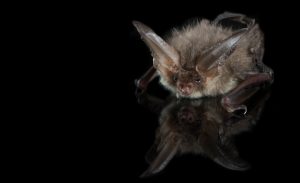
As the name suggests, their ears are nearly as long as their body! They aren’t just for show; these big ears give the bat excellent hearing making them a formidable predator (if you’re a tiny insect!)
Barbastelle
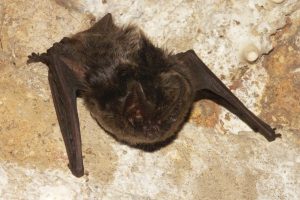
A fast, agile flyer that specialises in hunting across a wide area. It has dark fur and skin with a distinctive pug-like face and wide ears. They typically hunt small moths and beetles.
Greater Horseshoe
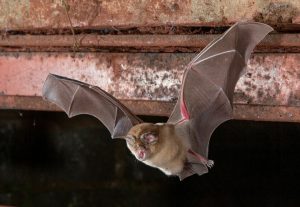
One of our largest species, weighing between 17g and 34g. The name comes from the unique horseshoe-shaped nose which aids in this bat’s specific type of echolocation. When roosting, the greater horsehoe hangs in a ‘classic’ bat position, with their wings wrapped around their body.