
World recognition for Sussex coastline
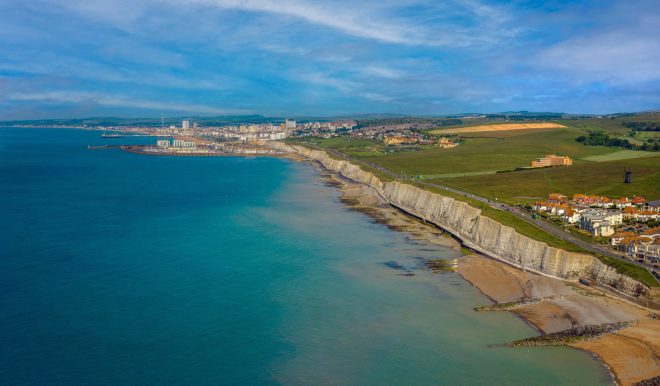
A large semi-urban “biosphere” covering a swathe of the National Park in Sussex has been expanded.
The designation of The Living Coast Biosphere has been renewed by the United Nations Educational, Scientific and Cultural Organisation (UNESCO).
The Living Coast has been a UNESCO biosphere since 2014, recognised for its unique chalk land and seascape.
The renewed designation has expanded The Living Coast area from Worthing in the west, to Seaford in the east and stretching north over the National Park to Wivelsfield and Newick in the Low Weald.
Operating as a partnership of over 40 organisations with Brighton & Hove City Council as lead partner, The Living Coast aims to protect and enhance local wildlife and habitats, promote a sustainable economy and communities, and champion environmental education, training and research.
Zoe Gowers, Youth Representative for The Living Coast Biosphere Partnership, said: “The Living Coast has created so many opportunities for young people to connect with nature, learn about the environment and be part of the solution to changing climates and biodiversity loss. Expanding the Biosphere means more communities, including more young voices, can help protect and sustain our amazing local area.”
Claire Kerr, Countryside and Policy Manager for the National Park Authority, added: “The biosphere is a place where nature and people come together and embrace sustainable living, so I’m really pleased that the designation has been expanded and strengthened.
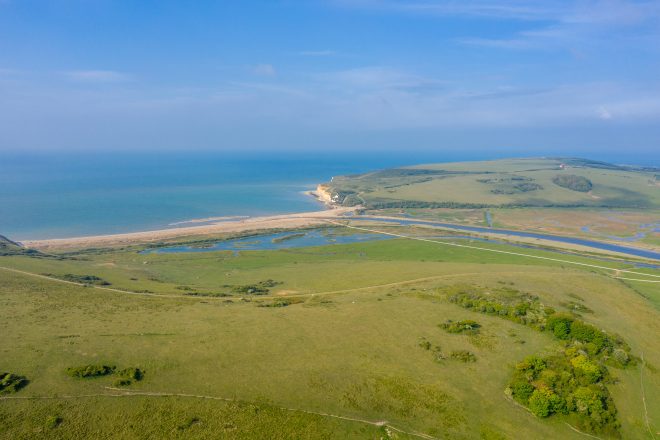
“The new area includes some of the most iconic spots in the National Park such as Cuckmere Haven and Cissbury Ring and it’s great that we can work together to further protect and enhance these special places.”
Every 10 years biospheres must renew their designation status with UNESCO. The decision to renew The Living Coast status for the next 10 years was taken at the World Congress of Biosphere Reserves held in Hangzhou, China.