
Meet the South Downs National Park Ranger
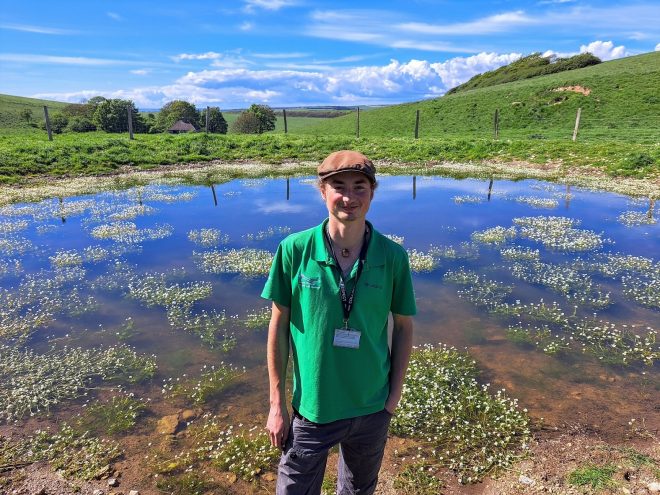
To kick off 2026, we meet Lawrence Leather, a Ranger at Seven Sisters Country Park and find out about his life, work and passions.
What inspired you to become a ranger and what drew you to the South Downs?
I grew up in Sussex, my mum was an infant schoolteacher and led nature conservation sessions for the children at her school. They were so popular all the children would line up at lunchtime to come and help!
There is a photo of me as a baby, less than one year old, out in the woods with the children of my mum’s school, so I started quite young.
My dad was an electrical engineer and immensely practical. Both my parents semi-retired when I was about 13 and bought a small woodland to manage for nature. I would join them most weeks to help with clearing invasive species and planting trees. By the time I got to A-levels I was very focused on the environment and steered all my subjects towards ecological sciences. Then in my gap year before university I completed a B-tec level 3 in Countryside Management. This course was very inspiring and equipped me with the skills to consider working professionally outdoors.
Being outdoors and working with nature has felt like my habitat for as long as I can remember. I find great joy in looking back after a day of work to see a patch of landscape slightly more loved than it was before.
Do you have a favourite spot and species in the South Downs?
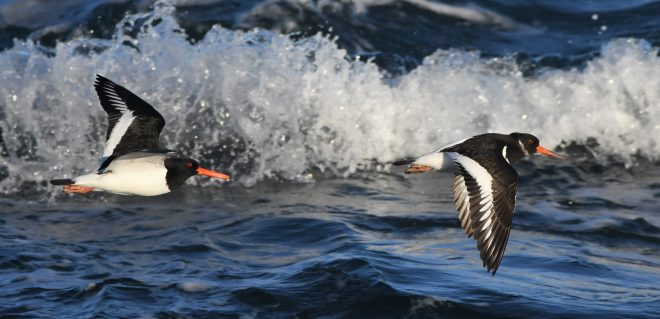
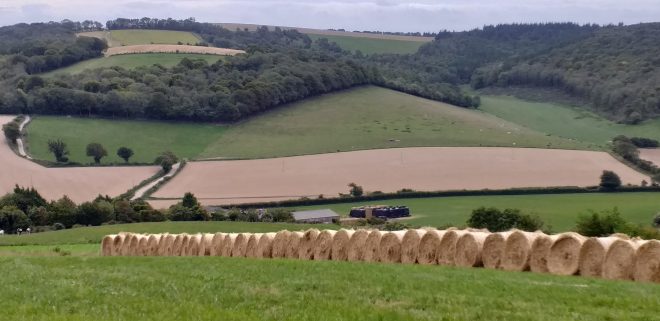
It fe els like cheating to not say Seven Sisters Country Park as this is where I have worked as a Ranger for the last three years for the South Downs National Park after graduating Brighton University. My favourite spot and species here at Seven Sisters vary through the year. In summer I love being out on the eastern corner of the park (an area called New Barn) which has a beautiful array of chalk grassland wildflowers, my favourite being clustered bellflower. In the winter my favourite place is down by the lagoons bordering the sea, the greys, blues, and light green spectrum of colours is mesmerising. The lagoons host a diverse mix of migrant wading birds in the winter. My favourite being the curlew, a distinctive wading bird with a large, curved bill. Outside of Seven Sisters Country Park there is a magical ridgeline of wood fringed pasture and chalk grassland called Graffham Down (pictured below), which I am often drawn to in my mind.
What is one thing you wish people would be more mindful of when they are out spending time in nature?
This is a difficult question as it’s such a special and important thing to feel fully emersed in nature and you don’t want people to feel like they have to tip toe around a ‘pristine’ environment.
I would say people should be mindful of how shared and loved our landscapes are, many spots in the countryside have been known and loved by regular visitors, volunteers and land workers for generations. When we enter wild spaces we should bring with us the same respect and care that has protected these places for centuries. Shared responsibility!
How does climate change impact your work?
Hugely. The past year has been exceptionally dry, meaning our wetlands have not held the water needed to support a diverse mix of breeding bird species.
We have been adapting our infrastructure to cope with these situations, creating structures than can capture more water in the winter so we have better reserves through the year.
 It’s increasingly hard to know when species will be exhibiting ‘usual’ behaviour, for example, birds nesting earlier changes our schedules for when we stop clearing scrub and vegetation.
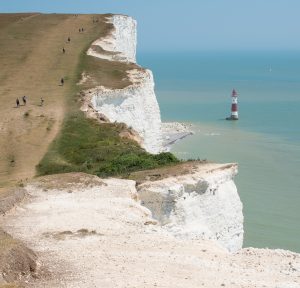
All of our work in this river valley at Seven Sisters Country Park is about adapting to a changing coastline.
The anxiety around the impacts of climate breakdown also has an impact on my mental wellbeing, which can take quite a bit of additional motivation to move past and address.
In one sentence what does nature mean to you?
A refuge and inspiration to keep going , despite the challenges, always giving what you have to offer. Nature gives us everything freely!