
Get to know the Director of Placemaking at South Downs National Park
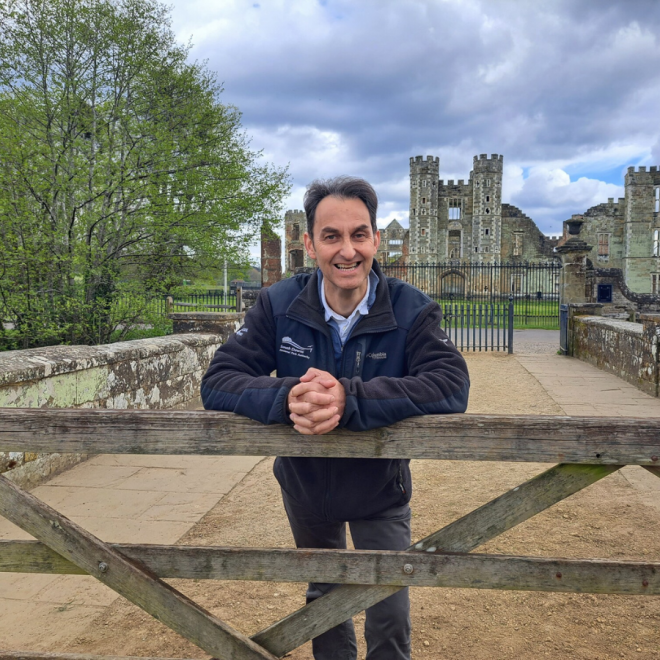
Tim Slaney, Director of Placemaking for the National Park Authority, writes about the many varied aspects of his role.
Being a Director of Planning in a National Park
Being a Director of Placemaking in a National Park is one of the most fascinating, varied, and when it goes well, rewarding roles imaginable. No more than at this time of change and opportunity. National Parks are not just beautiful landscapes; they are vital to the UK’s future. They contribute to tackling inequality, improving health and wellbeing, supporting local communities, sustainable energy production, and addressing the climate and biodiversity crises. Land use and land management in these cherished places can play a powerful role in shaping a better future.
A Unique and Challenging Role
The job is not without its challenges. Providing leadership and managing teams, balancing competing priorities, and working in a very public environment where everyone has a view, and the results are physically on the ground, can be demanding. Evening meetings, where excitement and passion prevail and views are strongly expressed are part and parcel of the role. Listening to conversations and adapting where possible is necessary.
Yet there is joy in meeting people and groups from many different backgrounds, who care deeply about their places. That balance of joy and demands is why the National Parks England Directors of Planning Group is so important to me.
The Power of Collaboration
 As a group of 10 Lead ‘Planners’ in National Parks, we meet three times a year, sometimes on one of our “patches,” other times online. And with countless conversations in between, we get to know each other quite well. These meetings are more than formal discussions; they are opportunities to share experiences, debate policies, and importantly, support one another. The public can be hard critics of the planning system and planners, we know that. But to justify developments, sometimes of an innovative or quirky nature, on site, to colleagues is next level! But this exchange of ideas strengthens our collective approach.
As well as providing vital support for each other and learning, we influence Government thinking on planning in National Parks, nearly 10% of the English land mass, and share best practice.
Whether it’s contributing to the Biodiversity Net Gain agenda or ensuring transport and water authorities enhance their services in National Parks, our work has real impact.
Protecting Local Identity While Enabling Progress
Although our Parks are miles apart, we operate in the same planning environment. We strive to ensure that every place reflects its locality and special qualities, while also enabling progress. Recently, we successfully argued against being included in a nationalised approach to Planning Committees, highlighting that our committees are often filled with experts appointed by the Secretary of State and knowledgeable locals. This independence allows us to tailor decision-making to the needs of each area.
Looking Ahead: Spatial Development Strategies
We are now working hard to secure a statutory role in emerging sub-regional planning systems through Spatial Development Strategies (SDSs). As a long-term advocate of broader-scale planning, clear locations for growth and conservation, and integration of infrastructure and the rural economy, I see SDSs as a wonderful opportunity. And wouldn’t it be great to see proper national and regional maps that all can engage with!
Yet, at present, National Parks are only to be consulted at the end of the sub regional plan making process, despite being sole planning authorities for vast areas. This omission feels short-sighted, given how cities and towns rely on our landscapes for services, leisure, and wellbeing.
Celebrating Success
Amidst the challenges, we find time to celebrate. This can be in historic and culturally significant hostelries! As importantly, we continue to showcase our achievements. A few years ago, we produced a document highlighting how National Parks enhance our national treasures, and although it is now out of date, it remains a reminder of what we can accomplish.
The Value of Camaraderie
Finally, being the first Director of Placemaking here is an honour. It’s reassuring to know that others have forged the way elsewhere and can offer guidance. The camaraderie, banter, and mutual support are vital. In such a unique role, finding balance is essential, and the shared experience of colleagues makes all the difference.