
Blooming marvellous! Helping bees bounce back in South Downs National Park
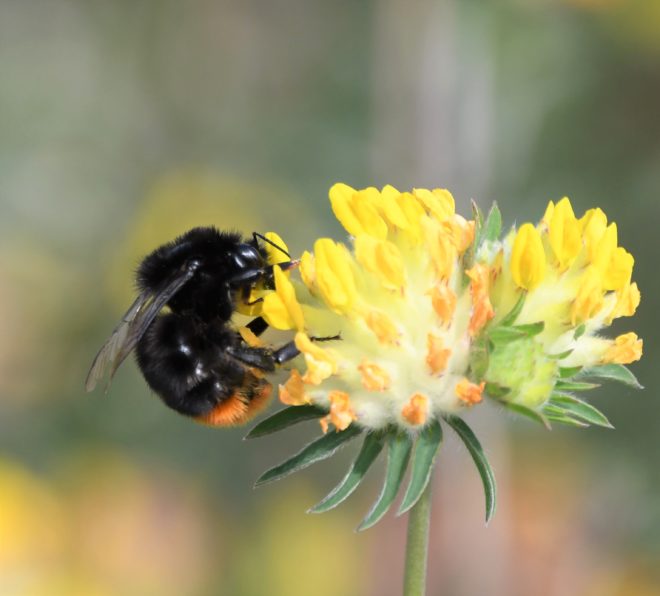
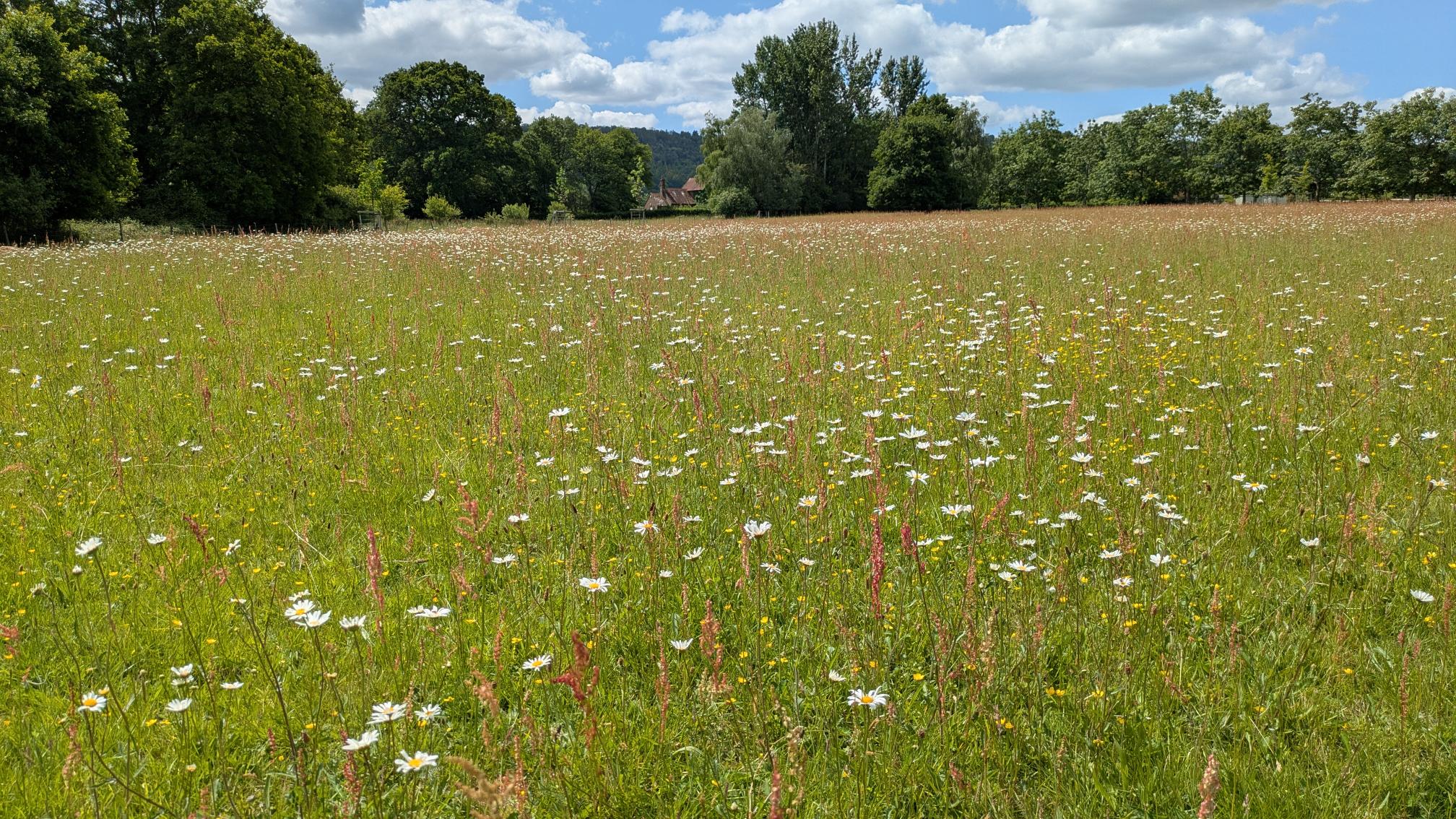
More than 100 hectares – or 4,000 tennis courts – of lush wildflower habitat are being created in the South Downs National Park to help bees flourish.
As the National Park marks World Bee Day (20 May), the Bee Lines initiative continues to give a helping hand to struggling pollinator populations by creating wildflower havens at farms, community fields, recreation grounds, road verges, schools, and even cemeteries, football and golf clubs.
In the UK, around 13 species of bee have been lost already and another 35 are currently at risk of extinction.
 The inspiring campaign launched in 2019 and since then there has been an amazing transformation at sites across Hampshire and Sussex, with carpets of beautiful wildflowers springing up and many sites are now buzzing with bees and butterflies.
The “Bee Lines” effectively create a “road system” for pollinating insects, allowing them to move through the landscape more easily.
To date, the South Downs Trust, the official charity for the National Park, has funded 37 projects and 106 hectares of habitat has been transformed into wildflower oases.
A further eight projects, yet to be confirmed, across Hampshire and Sussex will benefit from more funding later this year.
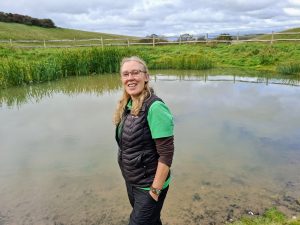 Jan Knowlson, Biodiversity Officer for the National Park, said: “It’s fantastic to see this network of wildflower corridors really becoming established and there are early signs that bees and butterflies are returning, but there’s still so much more that needs to be done to help pollinators.
“These insects have been on a steep decline across the UK for several decades and are now under threat from climate change and habitat loss, so it’s really important we create more spaces for pollinators to thrive.
“One out of every three mouthfuls of our food depends on pollinators such as bees.
“People can also do their bit to help on a smaller scale by simply creating wilder areas of their gardens and planting some wildflower seeds. Working together we can turn this around and our countryside and towns can once again be buzzing with bees!
“We’d also like to thank every single person and donor who has helped with the fundraising as without them none of this nature recovery work could happen.”
One of the sites benefitting from funding is Blacknest Fields, in Binsted, Hampshire. The site is managed by community volunteers with a focus on creating a haven for all kinds of wildlife, including bees and butterflies.
Sarah Womersley, one of the volunteers, said: “With the help of National Park rangers, we now have a brilliant meadow management regime in place.
“We’re seeing a much more diverse range of flora in the meadows and that in turn is helping our pollinators. Back in 2022 when the site was first opened to the public, there had never been any wildlife recording here at all. Since then, we have a brilliant group of volunteers who record regularly. We’ve seen over 30 species of butterflies on the field, more than 30 species of bees and wasps and over 190 different species of moths. Seeing what Blacknest Fields has become over the past five years has been wonderful.”
Meanwhile, a 1.5-hectare field called Tangletrees, near Graffham, West Sussex, has benefitted from funding and has transformed into a beautiful wildflower meadow.
Landowner Ian Forrest said: “It’s encouraging to see oxeye daisies and other species starting to thrive in the new meadow. Creating habitat takes time, but this grant has given us the chance to make a real start for pollinators and biodiversity. We’re very grateful for the support.”
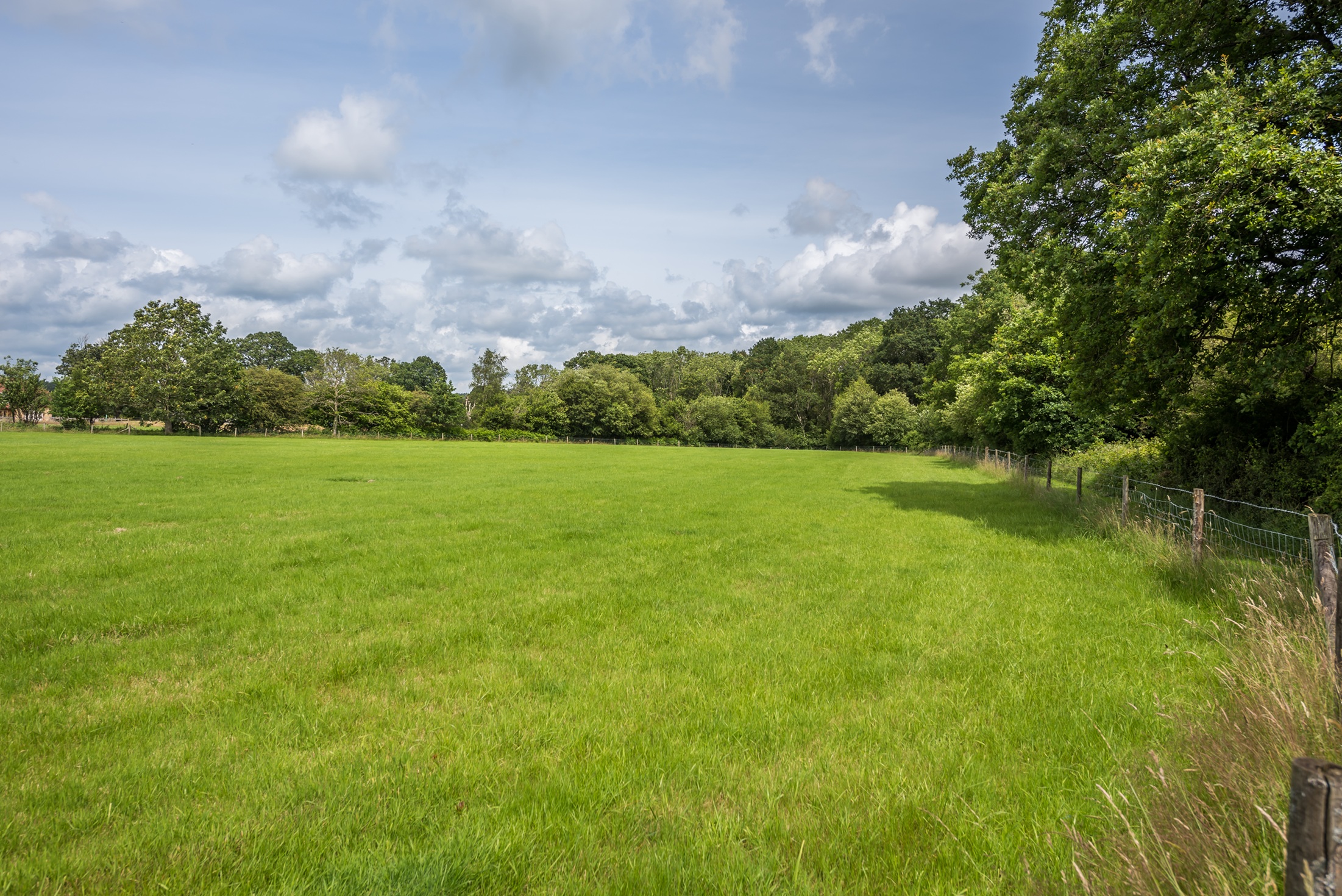
Bee Lines has been supported by plant conservation charity Plantlife, including providing landowners with bespoke advice on establishing wildflower habitats with the help of meadow expert Matt Pitts.
Bee Lines is part of the wider ReNature campaign, which is aiming to create vital new wildlife habitats across the National Park to fight biodiversity loss.
Bee Lines has been made possible with the support of the many individuals who have donated, as well as Aspinal of London, the Big Green Give Fund, the Boltini Trust, Chalk Cliff Trust, Friends of the South Downs, Howdens, Jude’s, Lawson Trust, Nyetimber, OSB Group, the PIG-in-the-South-Downs, Shanly Foundation, South East Water, Southern Co-op, and founding patrons of the South Downs Trust.
To donate to Bee Lines and ReNature visit https://southdownstrust.org.uk/
- There are around 270 species of wild bees in the UK. A third of wild bee species have decreased since the 1980s, with habitat loss, climate change and pesticides being key factors.
- Conservative estimates suggest there are more than 1,500 pollinating insect species in Britain, though the true figure is likely to be much higher. Insects often seen on flowers are bees, butterflies, flies, wasps and beetles.
Projects so far include:
Princes Mead School Kings Worthy, Hampshire
Ten sites in the Selborne Landscape Partnership, Hampshire
Northchapel, West Sussex
Truleigh Hill, near Shoreham, West Sussex
Lancing College, West Sussex
Chanctonbury, Wiston, Steyning, West Sussex
Lewes Cemetery, East Sussex
Sompting, West Sussex
Botany Bay Community Interest Group Bee Bank, Lavington Park, West Sussex
Corhampton Golf Club, Hampshire
Alciston Court Farm, near Polegate, West Sussex
TECT Community Field, Chapel Lane, East Chiltington, East Sussex
Barn Field, Selborne, Hampshire
Buriton Recreation Ground, Hampshire
Piddinghoe Wildflower Meadows, Piddinghoe, East Sussex
Catersland Wildflower Meadow, Chichester, West Sussex
Get Blacknest Buzzing, Blacknest Fields, Blacknest, near Bordon, Hampshire
Cissbury Fields, Findon Valley, Worthing, West Sussex
Church Field St John Trust, Greatham, Hampshire
Highfield & Brookham Wildflower Planting, Liphook
Tangletrees Wildflowers, Graffham, West Sussex
Botany Bay Wildflower Meadow Project, West Sussex
Slindon Recreation Ground, West Sussex
Findon Villlage, West Sussex
Larkin Farm Greatham Hampshire
Bury Cricket Ground, West Sussex
West Hove Golf Club
Private small field, Swanmore, Hampshire
Blacknest Buzzing II, Binsted, Hampshire
Dangstein Wildflower Meadow and Wood Pasture Restoration, Rogate West Sussex
Common View Play Area, Stedham, West Sussex
St Nicholas Lavant Community Wildflower Project, West Sussex
Meadow creation at Little Spatham Farm, Ditchling, East Sussex
The Middle Manor Estate Wildflower Meadow Creation, Westmeston, East Sussex
Plumpton College, East Sussex
Lewes FC Eco-friendly project, East Sussex
About the South Downs National Park Trust
The South Downs National Park Trust is an independent charity and its aim is to work with partners to enhance and protect the South Downs National Park for future generations. The Trust is governed by an independent and experienced board of trustees who oversee its work. The Trust supports projects that enhance the well-being of beneficiaries, individuals and communities of the South Downs National Park and all those who visit it. Among its varied fundraising initiatives, the Trust is helping to deliver large-scale nature recovery and habitat restoration, grants to help local communities and inspiring schemes to connect children and young people with nature. www.southdownstrust.org.uk